Common Causes of Concrete Foundation Damage
To address common causes of concrete foundation damage, local contractors can assess issues like soil movement and moisture problems to provide effective repair solutions.
Understanding the common causes of concrete foundation damage is an important step for property owners looking to protect their investment. Issues such as soil movement, improper drainage, and temperature fluctuations can all contribute to cracks, settling, or other structural concerns. Recognizing these factors can help homeowners and property managers identify early signs of trouble, potentially saving time and money down the line. Local contractors who specialize in foundation repair are equipped to assess these causes accurately and recommend practical solutions tailored to the specific conditions of the area.
Exploring the root causes of foundation issues is especially relevant for those experiencing signs of shifting or cracking in their concrete structures. Factors like poor drainage can lead to water pooling and exerting pressure on the foundation, while soil instability may cause uneven settling. Addressing these issues often involves targeted repairs that restore stability and prevent further damage. Connecting with experienced service providers in the area can help property owners navigate these challenges effectively, ensuring that foundation concerns are managed with expertise and local knowledge.
- When foundation cracks or settling are observed due to shifting soil or poor drainage, local contractors can assess the damage and provide appropriate repair solutions. - In cases where water intrusion or excessive moisture has weakened the foundation, service providers can implement waterproofing and drainage improvements to prevent further harm. - If signs of foundation heaving or uneven floors appear from soil expansion or contraction, local pros can perform underpinning or stabilization work to restore stability. - When structural bowing or cracking results from tree roots or invasive vegetation, experienced contractors can remove obstructions and reinforce the foundation as needed. - For damage caused by poor construction practices or material failure, local service providers can evaluate the issue and carry out necessary repairs to reinforce the foundation.
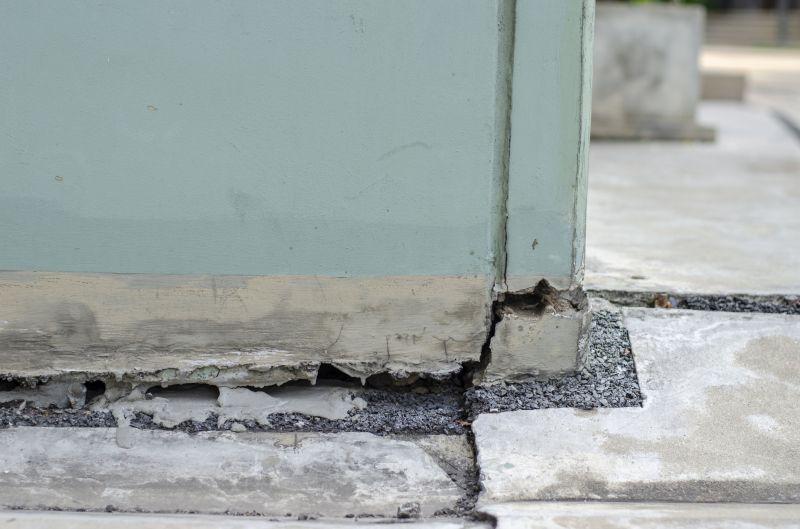
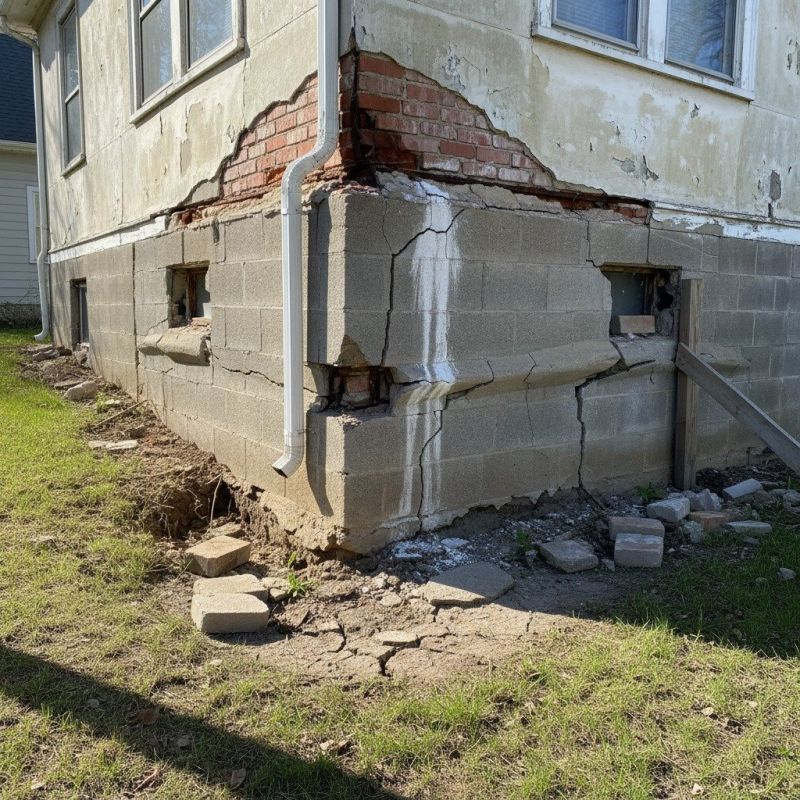
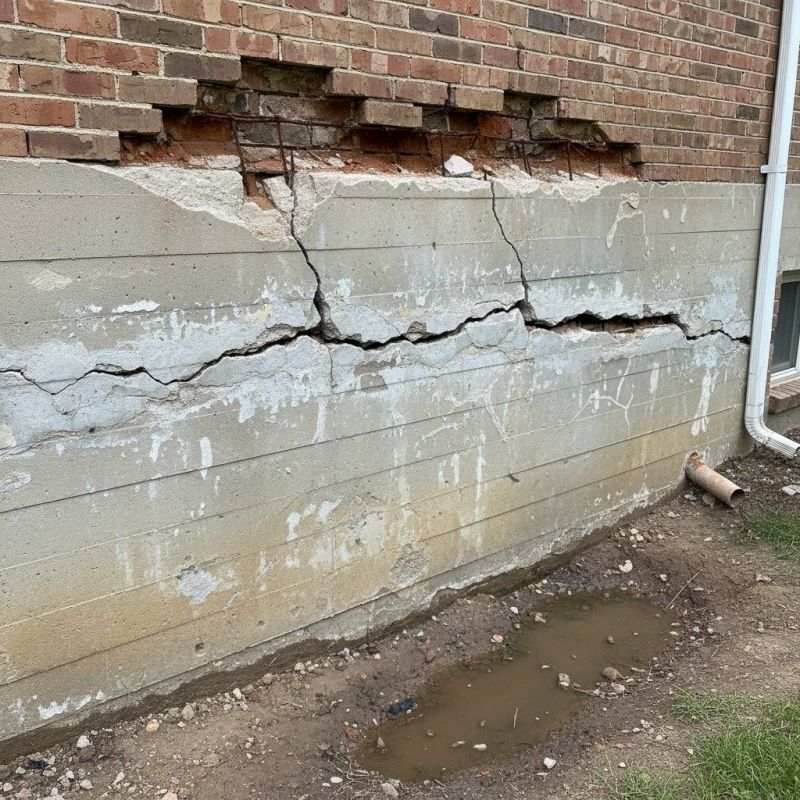
Understanding the common causes of concrete foundation damage is essential for homeowners who want to protect their properties and ensure long-term stability. When people search for this topic, they are often concerned about the factors that can weaken or compromise their foundation over time. These causes are typically related to environmental conditions, soil characteristics, and construction practices that affect the integrity of the concrete. Recognizing these issues helps homeowners identify potential problems early and plan for repairs or preventative measures with the help of local contractors specializing in foundation repair.
Many foundation problems stem from natural and man-made influences that lead to shifting or settling of the soil beneath a property. For example, soil expansion and contraction caused by moisture changes are common culprits. When soil absorbs water, it swells, exerting upward pressure on the foundation, which can cause cracking or uneven settling. Conversely, dry conditions can lead to soil shrinking and pulling away from the foundation, resulting in gaps or voids that destabilize the structure. Poor drainage around the property can exacerbate these issues by allowing water to pool near the foundation, increasing the risk of damage. Local pros are experienced in diagnosing these soil-related causes and implementing solutions to mitigate their effects.
Another frequent cause of concrete foundation damage involves issues related to poor construction practices or materials. In some cases, foundations may be built on unstable or improperly prepared ground, which can lead to uneven settling over time. Using substandard concrete or inadequate reinforcement can also make foundations more vulnerable to cracking and deterioration. Additionally, changes in the landscape, such as excavation or landscaping that alters the natural drainage or soil support, can put stress on the foundation. Homeowners with properties that have undergone recent modifications or are built on challenging soil types should seek guidance from local service providers who understand how these factors contribute to foundation health.
Certain environmental factors and property characteristics can make foundations more susceptible to damage. For instance, properties located in areas prone to heavy rainfall, flooding, or rapid temperature fluctuations face higher risks of foundation issues. Expansive clay soils, common in many regions, are particularly problematic because their volume changes significantly with moisture levels, leading to constant movement beneath the foundation. Additionally, properties with poor exterior drainage, inadequate gutters, or landscaping that directs water toward the foundation are more likely to experience damage. Local foundation repair professionals can assess these specific conditions and recommend tailored solutions to address the root causes, helping homeowners protect their investment and maintain a stable, durable foundation.
Retaining wall construction - this project involves planning and building structures that manage soil pressure, which relates to understanding foundation stability and common causes of damage.
Drainage system installation - installing proper drainage requires knowledge of soil conditions and water management, helping prevent foundation issues caused by water intrusion.
Soil stabilization services - soil stabilization techniques are used to improve ground conditions, directly addressing soil-related causes of foundation damage.
Concrete leveling and slab raising - these services focus on correcting uneven concrete slabs, often caused by shifting or settling foundations due to common damage factors.
Waterproofing solutions - applying waterproofing measures protects foundations from water infiltration, a frequent contributor to foundation deterioration.
Piling and underpinning projects - these underpinning services reinforce weak or settling foundations, addressing structural issues stemming from common damage causes.
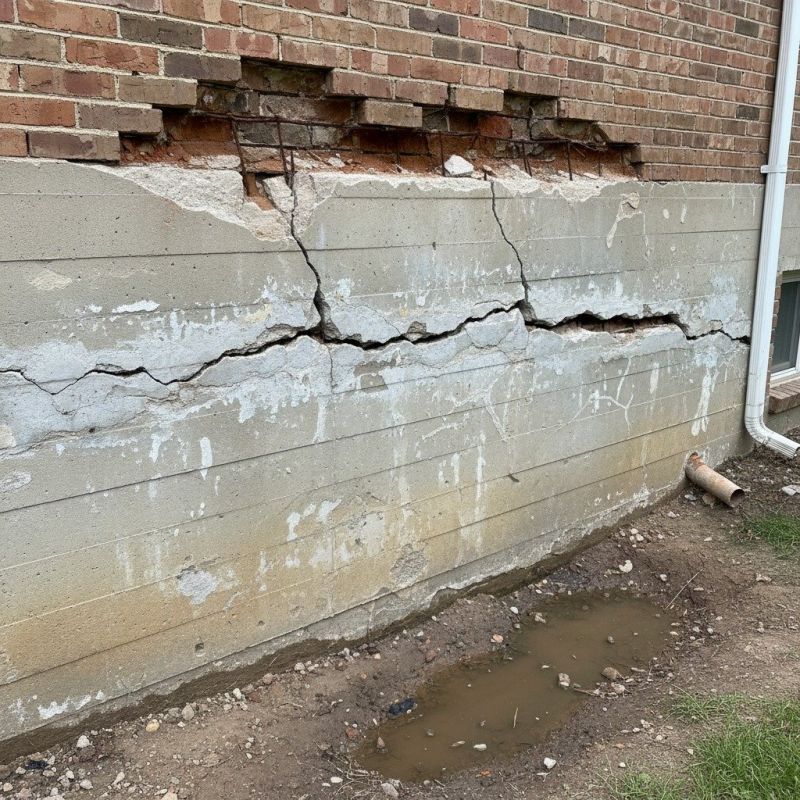
When evaluating service providers for foundation damage repair, it is important to consider their experience with similar projects. Local contractors who have handled concrete foundation issues related to common causes of concrete foundation damage are more likely to understand the specific challenges that may arise in your area. An experienced professional can assess the unique conditions of your property, identify underlying issues, and recommend effective solutions based on past work with comparable problems. This familiarity can contribute to a more accurate diagnosis and a repair approach that addresses the root causes of damage, helping to ensure long-term stability.
Clear written expectations are essential when comparing local service providers. A reputable contractor should be able to clearly outline the scope of work, the methods they plan to use, and the anticipated outcomes. This transparency helps homeowners understand what to expect throughout the repair process and avoids misunderstandings. When reviewing proposals or estimates, look for detailed descriptions of the services offered, including how potential causes of concrete foundation damage will be addressed. Well-defined expectations also make it easier to compare different providers and select a professional who aligns with your needs and priorities.
Good communication and reputable references are key factors in choosing a dependable service provider. Contractors who maintain open lines of communication can better explain the repair process, answer questions, and keep homeowners informed at every stage. Additionally, seeking references or reviews from previous clients who had similar foundation issues can provide insight into a contractor’s reliability and quality of work. While online reviews can be helpful, direct feedback from past clients can reveal how well a contractor manages projects related to common causes of concrete foundation damage, ensuring that the selected professional is capable of delivering satisfactory results.
Property owners often search for common causes of concrete foundation damage when they are planning practical projects around their homes and businesses. Local pros provide Foundation Damage Repair services for everyday jobs and straightforward project options.
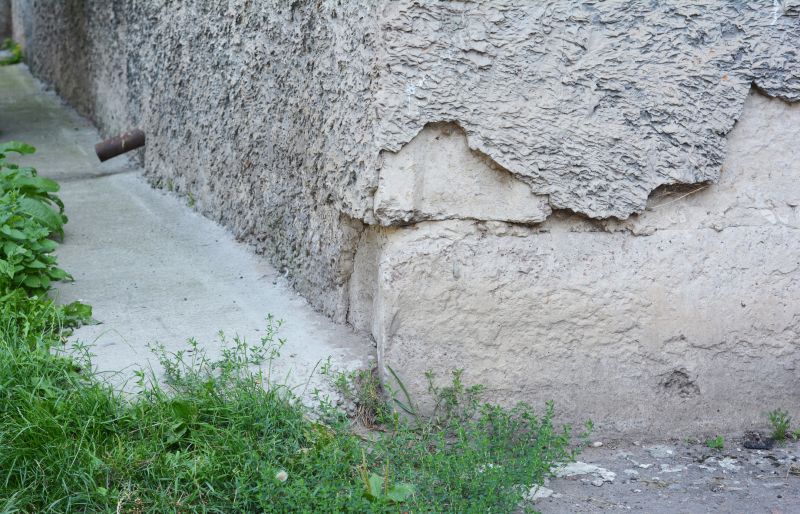
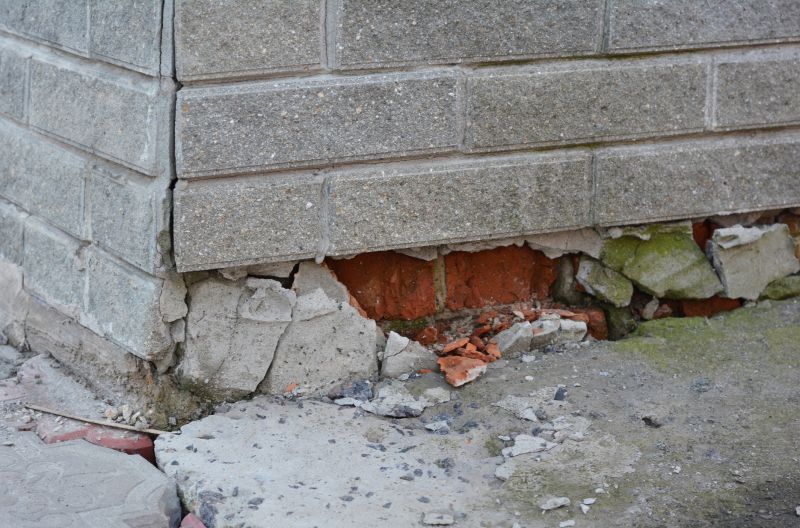
Understanding the common causes of concrete foundation damage can help property owners recognize early warning signs and take appropriate action. In many cases, issues such as soil expansion and contraction due to moisture fluctuations can exert pressure on the foundation, leading to cracks or settling over time. Poor drainage around the property can also contribute to foundation problems, as water pooling or seeping into the soil can weaken its support. Additionally, improper construction techniques or the use of substandard materials may increase the risk of damage. When these issues arise, local contractors experienced in foundation repair can assess the situation and recommend suitable solutions to restore stability.
Property owners in the area often look into foundation damage repair services after noticing signs like uneven floors, cracks in walls, or gaps around windows and doors. These symptoms can result from the common causes of concrete foundation damage mentioned above. Local service providers are equipped to handle a range of repair needs, whether it involves stabilizing a settling foundation or addressing water-related issues. By connecting with experienced contractors, property owners can ensure that the root causes are properly diagnosed and that appropriate repair strategies are implemented to maintain the integrity of their property.
What are common causes of concrete foundation damage? Common causes include soil movement, poor drainage, and tree root intrusion, which can exert pressure or create moisture issues leading to cracks and settling.
How does soil movement affect foundation stability? Soil movement, such as expansion or contraction due to moisture changes, can cause shifts in the foundation, resulting in cracks, uneven settling, or structural damage.
Can poor drainage lead to foundation problems? Yes, inadequate drainage can cause water to accumulate around the foundation, increasing soil moisture and pressure that may lead to cracking, shifting, or erosion of the foundation.
What role do tree roots play in foundation damage? Tree roots can grow beneath or close to the foundation, exerting pressure or absorbing moisture from the soil, which can cause movement or cracking in the concrete.
How can local contractors help prevent or repair foundation damage caused by these issues? Local contractors can assess the site, address drainage problems, remove problematic roots, and perform repairs to stabilize and restore the foundation’s integrity.
Soil movement and shifting - understanding how soil expansion and contraction can put pressure on foundations helps property owners plan for proper drainage and soil stabilization with help from local contractors.
Poor drainage and water pooling - identifying areas prone to water accumulation allows property owners to implement drainage solutions that protect the foundation, with assistance from local service providers.
Tree roots and vegetation - recognizing how nearby roots can cause cracks or upheaval encourages property owners to manage landscaping carefully with guidance from local foundation specialists.
Frost heave and temperature changes - being aware of seasonal freeze-thaw cycles can help property owners take preventative measures, supported by local contractors experienced in foundation repair.
If you are thinking about common causes of concrete foundation damage for a property, this guide is meant to help you understand this topic, the typical project types, and how different options might fit your plans.
When you are ready, you can use the quote form on this page to share a few details about your project. From there, local pros can review the basics and follow up with options that match what you have in mind.